Day 12. Day 4. One Minister. A System Still Breaking. | Cockroach Janta Party July 2026
The Cockroach Janta Party protest has moved beyond satire and into a live test of political accountability. The bigger story is not the mascot. It is the collapse of trust in India’s exam system, and the government’s attempt to manage fallout faster than it fixes the cause.
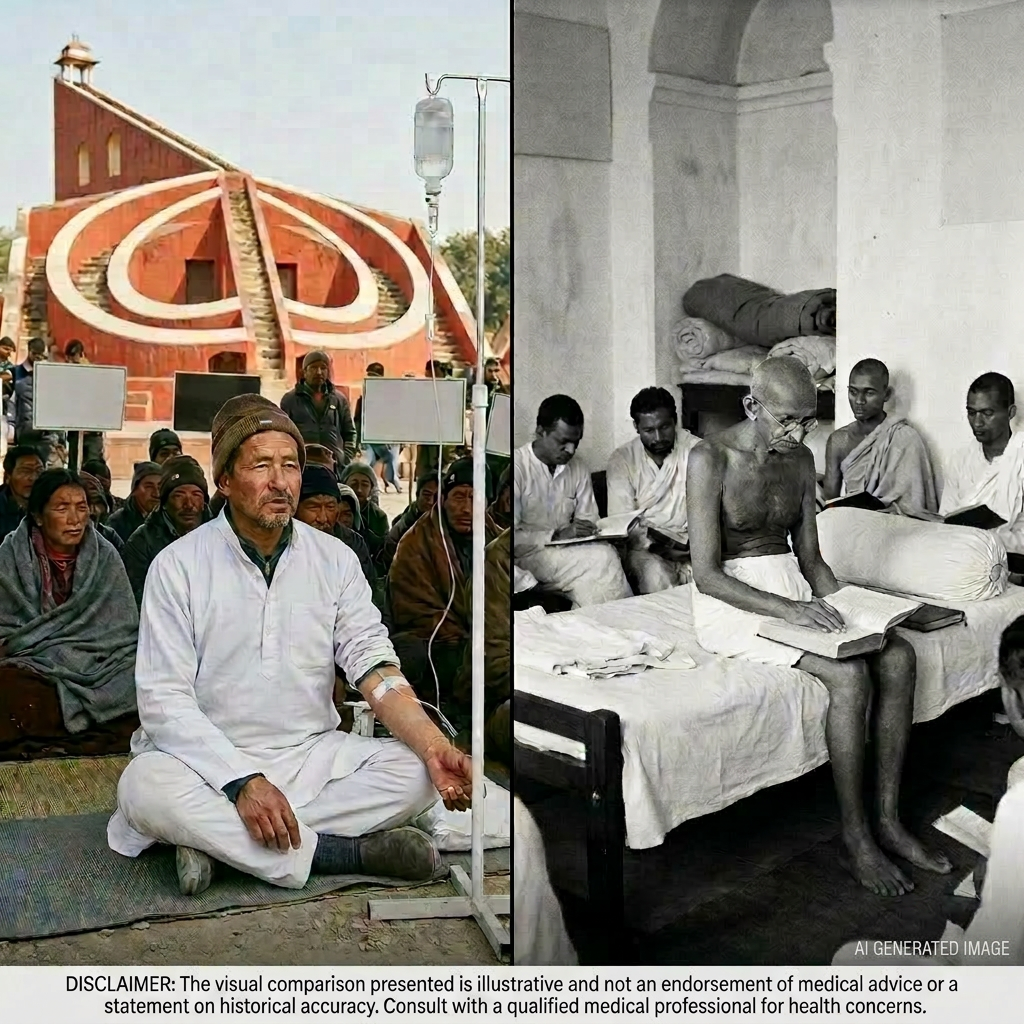
Cockroach Janta Party has entered a harder phase in Delhi, with the sit-in reaching day 12 and Sonam Wangchuk’s fast entering day 4.
Here is why the protest now matters beyond Jantar Mantar, beyond NEET, and beyond one minister’s future.
Quick Answer
- Cockroach Janta Party is now a live Delhi protest, not just a viral satire page.
- The Jantar Mantar sit-in began on June 20, 2026.
- Sonam Wangchuk joined with a hunger strike on June 28, 2026.
- Protesters want Education Minister Dharmendra Pradhan removed over exam failures.
- The movement now speaks to a wider loss of trust in exams, leaks, delays, and recruitment.
- Fresh protest and leak stories outside Delhi show the anger is spreading.
- Students should rely only on official portals for exam updates.
What is Cockroach Janta Party in July 2026?
Cockroach Janta Party is no longer just an online satire phenomenon. It is now the public face of a youth anger cycle built around exam leaks, administrative failures, unemployment, and the belief that institutions are asking young people for merit while offering them systems they cannot trust.
The movement began by reclaiming the word “cockroach” after remarks by Chief Justice Surya Kant triggered outrage among young Indians who felt insulted and dismissed. That gave the movement its name, but it does not fully explain its staying power. The reason it has lasted is simpler: students and job-seekers were already carrying years of frustration, and the exam system gave them fresh reasons to believe the system was broken.
Its own website presents the movement as political and satirical, says it is not currently registered with the Election Commission, and pairs self-mocking language with a concrete list of political demands. The satire is the wrapper. The grievance is real. The Cockroach Janta Party site says so plainly.
Why is the protest bigger than a meme now?
The state kept supplying fresh reasons to distrust the system
The July 2026 version of this story is not about a clever political brand. It is about whether a meme-born protest can outgrow the internet because the state keeps supplying fresh evidence for its anger.
That shift is visible in the protest itself. What began as online dissent became a sit-in at Jantar Mantar, then a hunger strike backed by Sonam Wangchuk, and now a pressure point around a possible cabinet reshuffle. Once a protest starts waiting not for attention but for a ministerial decision, it has moved well beyond viral novelty.
This is where most daily coverage stops too early. It explains the joke, the founder, or the symbolism. It does not stay long enough on the real question: why did this protest become legible to so many young Indians so quickly? The answer is that the system beneath it already felt rigged.
What is happening at Jantar Mantar today?
A hunger strike has raised the cost of inaction
The immediate story on July 1 is that the protest has hardened, not faded. Sonam Wangchuk’s hunger strike has become the emotional centre of the agitation, and the movement is no longer just trying to trend. It is trying to force a visible political response.
Hunger strikes change the frame. They make it harder for the government to treat a movement as unserious, foreign-influenced, or purely online. They also raise the cost of inaction. A social-media protest can be ignored. A prolonged fast at Jantar Mantar cannot be managed as easily, especially when the core demand is politically simple and symbolically sharp: remove Dharmendra Pradhan.
The second live development is political timing. Protesters are now watching the cabinet reshuffle conversation. If Pradhan is moved, the government will try to present that as action. If he stays, the protest can argue that even after NEET chaos, public outrage, a hunger strike, and sustained media attention, the system still protects power before accountability.
“A sensitive government in a democracy listens to the pains of the people, and I hope they will take action.” — Sonam Wangchuk, Reuters, June 30, 2026
Timeline
- May 2026 / The movement takes shape after the “cockroach” insult is reclaimed online.
- June 20, 2026 / Cockroach Janta Party begins its sit-in protest at Jantar Mantar.
- June 28, 2026 / Sonam Wangchuk joins the protest with a hunger strike.
- June 30, 2026 / Protest leaders say they are watching a possible cabinet reshuffle.
- July 1, 2026 / The sit-in reaches day 12 and the hunger strike reaches day 4.
Why did the exam crisis make this movement possible?
One leak became a legitimacy crisis
Cockroach Janta Party became possible because India’s exam crisis did not feel like one scandal. It felt like a pattern.
The NEET crisis turned into the biggest symbol of that pattern. A high-stakes national exam affecting millions of families was hit by leak allegations, political backlash, a re-exam, and extraordinary efforts to restore credibility. TNT News Buzz already documented this in NEET Re-exam 2026: IAF Deployed to Carry Question Papers Because NTA Cannot Be Trusted With an Envelope.
That one line explains why the protest hit a nerve. Once the system has to use the Air Force to transport question papers because trust has collapsed, the problem is no longer a leak. The problem is legitimacy. Students still need to follow the official NEET portal for updates, but politically the damage is already broader than one portal notice.
The same pattern showed up elsewhere. TNT also documented another exam-system credibility failure in Nisarga Adhikary CBSE Reveal: The Vendor Who Shipped a Hardcoded Password. That matters here because it helps readers see that the anger surrounding CJP is not isolated to one exam or one agency. It belongs to a larger story of institutional sloppiness, weak safeguards, and delayed accountability.
What has the government done, and not fixed?
Containment moved faster than credibility repair
The government has taken visible steps. It moved toward a NEET re-exam. It tightened logistics. It acted against Telegram over exam-fraud concerns. It also saw the CJP’s X account blocked in India while the movement complained of online pressure and interference.
But those are mostly control measures. They address distribution, leakage channels, procedural fallout, and public heat. They do not automatically restore trust. Re-exams can be ordered. Apps can be blocked. Accounts can be withheld. None of that answers the deeper question of why these failures keep recurring across exams, boards, and recruitment pathways.
That is the hole this protest has stepped into. Young people are being asked to believe the process again without being shown a convincing long-term fix. The state has looked faster at containing symptoms than at rebuilding legitimacy.
Why is this now bigger than NEET and Delhi?
Fresh failures outside Delhi keep validating the anger
The strongest reason this story still matters on July 1 is that the crisis is no longer contained inside one protest site or one exam headline.
Fresh stories from outside Delhi point the same way. Student and youth groups in Thane have launched protests demanding reforms after repeated paper leaks and delays. A paramedical exam in Jaipur was disrupted after students alleged delayed paper distribution and a possible leak. Maharashtra’s TET system has also been hit by a paper-leak case and postponement.
These are not identical events, but together they reinforce the same public takeaway: the exam system keeps producing reasons not to trust it. That is why the Cockroach Janta Party story now matters beyond the party itself. Every fresh delay, leak, or administrative lapse gives the protest a new argument.
Is moving Dharmendra Pradhan enough?
Visible accountability and structural repair are not the same thing
This is the key political question. If Dharmendra Pradhan is moved, the government may reduce immediate pressure. It may even fracture the protest’s media moment. But moving one minister does not automatically solve a system that keeps failing at multiple points across exams and recruitment processes.
At the same time, symbols matter in politics. The protest is right to understand that accountability must be visible before it becomes procedural. That is why the demand has stayed focused. It is easier to mobilise around one face than around a diffuse administrative culture.
The real answer is that removing a minister could be politically meaningful and systemically insufficient at the same time. That is exactly why this story matters. It sits at the intersection of symbolism and structure. The government may try to settle the first without fixing the second.
What does this mean for students right now?
Solidarity helps, but paperwork still decides outcomes
For students, the protest means two things at once. First, it confirms that exam-related anger is no longer scattered or private. It has found a public language, a visual identity, and a protest form that travels quickly. That matters because many aspirants have felt isolated inside their own result, delay, or leak story.
Second, students still need to separate political solidarity from administrative survival. Protests can force attention. They cannot replace official portals, result notices, city slips, refund steps, or counselling deadlines. The practical rule is simple: use the movement for political reading, not for operational exam updates.
Why this story matters beyond the headline
This is no longer a novelty story about Indian meme politics. It is an accountability story about what happens when youth distrust becomes organised, visible, and hard to mock away.
The protest matters because it reveals something unflattering for the state. A satirical movement now feels more emotionally credible to many young Indians than the institutions responsible for protecting merit. That is not because satire became unusually powerful. It is because the official system became unusually easy to doubt.
The unresolved question for the government is no longer whether this protest is embarrassing. It is whether India’s education and recruitment machinery can still ask for faith after so many public failures. Until that question is answered with more than optics, Cockroach Janta Party will remain bigger than its name.
Related Reading
Frequently Asked Questions
What is Cockroach Janta Party?
Cockroach Janta Party is an Indian satirical political movement that emerged in May 2026 and grew rapidly among young users angry about unemployment, exam leaks, and political dismissal. Its website says it is political and satirical, and not currently registered with the Election Commission.
Why is Cockroach Janta Party protesting in Delhi?
The group has been staging a sit-in at Jantar Mantar since June 20, 2026, demanding the removal of Education Minister Dharmendra Pradhan over examination irregularities and broader failures in the education system.
Why is Sonam Wangchuk involved in the protest?
Sonam Wangchuk joined the agitation with a hunger strike, which raised the protest’s moral and media weight. His participation pushed the story from internet phenomenon to live political pressure point.
Is this only about the NEET paper leak?
No. NEET is the biggest symbol inside the story, but the anger now extends to repeated leaks, delays, result controversies, and recruitment distrust across the wider exam ecosystem.
Is the Cockroach Janta Party a real political party?
Not in the formal Election Commission sense at present. Its official site describes it as a satirical and political movement that uses a party format, manifesto, and demands to channel broader public frustration.
Sources
- India’s Cockroach party seeking education minister’s ouster awaits cabinet reshuffle
Reuters, June 30, 2026 - CJP protest day 12: Sonam Wangchuk ‘lost 2 kgs’ as hunger strike enters Day 4
The Times of India, July 1, 2026 - Thane youth stage protests for reform; anger mounting over repeated exam paper leaks and delays
The Times of India, July 1, 2026 - Jaipur RPMC exam disrupted after students protest alleged delay in question paper distribution, paper leak
The Times of India, July 1, 2026 - The Cockroach Janta Party — Voice of India’s Burnt-Out Youth
Official site, accessed July 1, 2026 - National Eligibility cum Entrance Test official portal
NTA official site, accessed July 1, 2026
Dilshad is a journalist, filmmaker and digital marketing enthusiast covering Indian politics and elections at TNT News.
Leave a Reply